
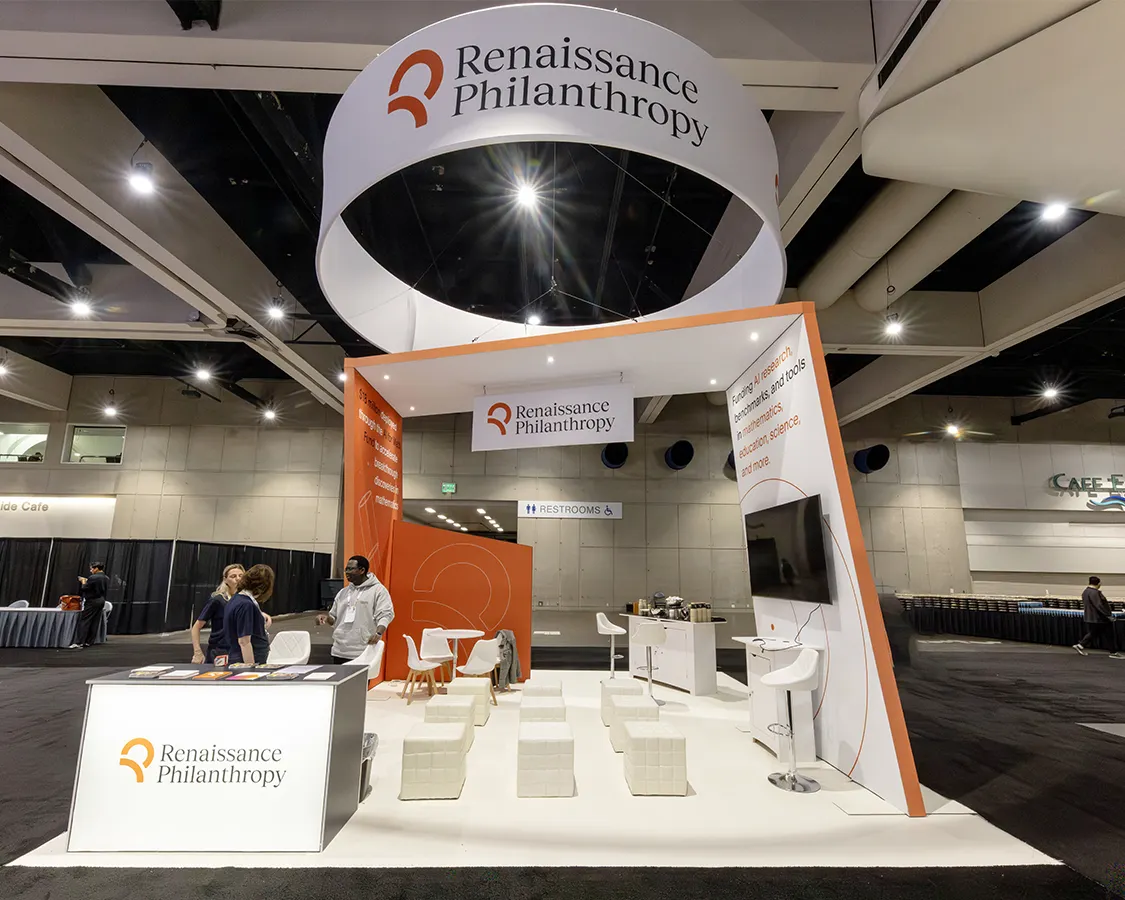
Portable Display Rentals works best when the client wants polish, speed, and adaptability without committing to a permanent build for every date.
On the rentals, rental decisions are not all the same problem. Solve the same problem. Some are about footprint flexibility.
The rentals should therefore be judged by how cleanly it installs, how well it supports the live objective, and how easily it can be refreshed or re-scoped for the next Charleston date.
For the rentals, the biggest mistake is treating rental as if the hardware is the whole strategy.
For the rentals, when those layers stay connected, rental becomes a strong commercial tool instead of a compromise.
The Charleston event landscape
For the rentals, Charleston runs one of the busiest trade show calendars in the region. Convention weeks stack close together, hotel blocks compete for the same nights, and the venues themselves shape what is possible on the floor.
The floor mechanics stay consistent.
for the rentals, the market's main exhibit venue offers 77,000 square feet of exhibit-hall space and nine loading docks, which sets the practical ceiling for a booth program working the market.
For the rentals buyers, it has 15,000 square feet of exhibit space and is the largest convention facility in the Charleston metro — a useful reference point when sizing a project.
The buildings that host Charleston events
Across the rentals, different Charleston venues mean different floor plans, different labor rules, and different freight realities.
On the rentals, the right building depends on the show: a consumer expo wants open aisles and broad traffic flow; a corporate conference wants controlled breakout space; a brand activation wants a venue that can carry scenic and production without fighting the architecture.
For the rentals, Embassy Suites Charleston Airport Hotel & Convention Center.
For the rentals, the property includes meeting and conference space positioned for groups needing airport-adjacent hotel inventory near the North Charleston Convention Center campus.
For the rentals, the Charleston Area Convention Center Ballroom: the convention center campus includes a 25,000-square-foot ballroom in addition to the 77,000-square-foot exhibit hall.
Charleston Visitor Center is one of the anchors.
What makes our work different
For the rentals, Trade Show Services of Charleston operates out of Charleston with a full in-house production shop. Custom fabrication, rental inventory, graphics production, and show-site labor live under one roof.
On the rentals, the difference from a national vendor shows up at the dock. A local team with an in-house shop can solve most install-day problems in the time it takes to drive back to the building with the right part.
Over a multi-show the rentals calendar, the compound value of a single team shows up in fewer surprises. The second install is faster than the first, the third faster than the second, and by the fourth the project runs on memory and documentation rather than first-principles planning.
How Charleston floor operations work
On the rentals, labor in Charleston runs venue-by-venue, not citywide. Each building publishes its own rules for who handles what on the floor.
On the rentals, the workable version of Charleston labor planning is boring on purpose: read the manual, match the scope to its categories, order what the venue sells directly, and schedule everything else around its posted windows. Surprises almost always trace back to a step someone skipped.
For the rentals at the North Charleston Convention Campus, the facilities provide utilities as an exclusive service.
Practical planning rules for the rentals in Charleston: Downtown and waterfront venues in Charleston often use approved-vendor or in-house hospitality models for food, beverage, technical support, or event management. When this site references labor, rigging, utilities, catering, or decorator flow, the goal is to help buyers plan around verified venue behavior rather than assume last-show conditions still apply.
The main Charleston event areas
For the rentals, the Summerville / Nexton Growth Corridor area runs through Summerville, Nexton, Sangaree, Ladson.
For the rentals, the Barrier-Island Resort Corridor runs across Isle of Palms, Sullivan's Island, Kiawah Island.
What's included in the project scope
The rentals projects typically include design work, fabrication or rental sourcing, graphics production, show-service paperwork, freight, install, show-hours coverage, and strike.
On a the rentals package, typical line items include booth structure (custom or rental), graphics and print, AV and lighting, show-service orders (power, internet, rigging), labor calls against the venue's rules, freight both ways, on-site supervision, and post-show closeout documentation.
A bad one has many, because they were not.
Those run alongside the engagement rather than inside it.
How a project runs
Everything downstream hinges on those answers.
On the rentals, venue coordination comes next.
With the rentals venue details locked, production runs. Build, print, AV integration, rentals, and the on-site lead's playbook all come together in this phase.
During the rentals install, one owner stays on the floor. That person handles the labor calls, the graphics questions, the sequence adjustments, and the daily update.
During the rentals show hours, the booth is a live operating space. The on-site team handles repairs, sponsor requests, lead-capture issues, and any venue questions so the client's staff can focus on conversations.
After the rentals show hours, strike runs against the venue's posted window, and a same-day debrief captures what held and what needs to change before the next date.
Pricing and scheduling
On the rentals, pricing is driven by real line items: fabrication or rental, graphics, show services, labor, freight, and travel where it applies. Round numbers without that breakdown usually hide something.
On the rentals, the levers that matter are build path (custom, rental, or hybrid), footprint, venue service fees, graphics, freight, and supervision days. A 10x10 turnkey rental and a 30x50 custom island with a double deck are entirely different projects.
For the rentals, a clean schedule starts 4 to 5 months out for custom work and 2 to 3 months for rentals. Shorter lead times are workable but push rush premiums and limit material choices.
How project performance gets measured
A successful the rentals project in Charleston looks like a booth that lands on time, passes venue inspection on the first walk, runs without incident through show hours, and ships out the same day it strikes.
Exhibitors who measure the rentals seriously track leads, floor-booked meetings, and post-show pipeline. The build and the install are upstream inputs to those KPIs.
On the rentals, client teams sometimes want the booth to carry the pipeline on its own, but the best-performing programs treat the booth as a platform and put real operators on it. On-floor conversation discipline moves the KPIs more than any scenic decision.
Portable Display Rentals planning questions
Do you work at Wild Dunes Resort?
Yes.
How does labor work in Charleston?
It runs venue by venue.
How much lead time is ideal?
Custom builds run best with 16 to 20 weeks of lead time. Rentals take 8 to 12 weeks.
What information kicks off a project?
The show, the venue, the booth number, the dates, and a target budget range. From those, an initial scope and a realistic cost come back within a few days.
Who runs the booth on-site?
One named show-site lead runs the install, the show hours, and the strike. That person carries the floor plan and the punch list from crates to doors and reports up once a day.
Can the booth travel to the next city on our calendar?
Same structure, swappable graphics, standard crates.
What happens if something breaks during show hours?
The on-site lead handles it.